
What a Pre-Production Sample Must Prove
A men’s knitwear pre-production (PP) sample is the agreed reference for bulk production. It should demonstrate the approved yarn, fabric appearance, construction, measurements, finishing and labeling—not simply show that the design can be made. Before approval, align the sample with the latest tech pack, bill of materials, measurement chart, artwork and buyer comments. Record the sample version and approval date so the factory and buyer are working to the same standard.
Use the PP stage to resolve decisions that affect cost and execution: yarn and composition, knit structure, finished garment weight, grading, acceptable workmanship, order quantity, packing method and shipment release criteria. Buyers comparing mens fashion wholesale options should assess the product specification and approval process alongside the quoted commercial terms.
Check Yarn, Composition and Knit Structure
Start with the yarn details in the tech pack and supplier documentation. Confirm the stated fiber composition, yarn count or other agreed yarn specification, color and any approved yarn lot information. Compare the sample against the approved swatch and inspect it under consistent lighting. If the garment is intended to be washed or finished after knitting, review its appearance and hand feel after the specified process, not only in its unfinished state.
Identify the knit structure used in each panel and component. Jersey, rib, interlock, cable and fully fashioned details behave differently in stretch, recovery, thickness and appearance. Check that the sample matches the design at necklines, cuffs, hems, plackets and seams. For contrast panels or mixed structures, look for visible differences in tension, color and surface that could become more pronounced across production.
Agree how gsm will be measured and recorded. A garment’s perceived weight can be affected by yarn, stitch density, structure and finishing, so a gsm figure alone does not establish that the sample is correct. The buyer and factory should specify whether the target refers to fabric before finishing or after finishing, identify the sampling area and use the same method for later checks. Record the approved result and any agreed tolerance in the product specification rather than relying on a verbal comparison.
Review the Size Set and Fit
A single sample size cannot confirm grading. Request a size set covering the range required for the order and check each size against the approved measurement chart. Measure garments laid flat and relaxed, using consistent points of measure. For knitwear, avoid stretching the garment while measuring; document whether measurements are taken before or after any required conditioning or wash.
Key points commonly include body length, chest width, shoulder width, sleeve length, armhole, cuff opening, hem opening and neck opening. Use the garment’s construction to define exact measurement points. Compare both the base size and graded sizes with the chart, and note each deviation rather than correcting only the sample on the table.
Fit review should consider how the garment hangs and recovers as well as the measurement values. Check shoulder position, body ease, sleeve balance, neckline stability and whether rib trims return to shape after gentle extension. Review the intended layering use and fit model or mannequin consistently. If a change is needed, specify the location, direction and amount of the adjustment, then request a revised sample or updated size set as appropriate.
Inspect Workmanship and Record Revisions
Examine the garment inside and out. Check stitch consistency, linking or seam security, rib attachment, ends of yarn, holes, dropped stitches, needle lines, panel matching and visible distortion. Inspect neckline and shoulder areas for stretching or waviness, and check that cuffs and hems are balanced. Confirm labels, trims and decoration against approved artwork and placement references.
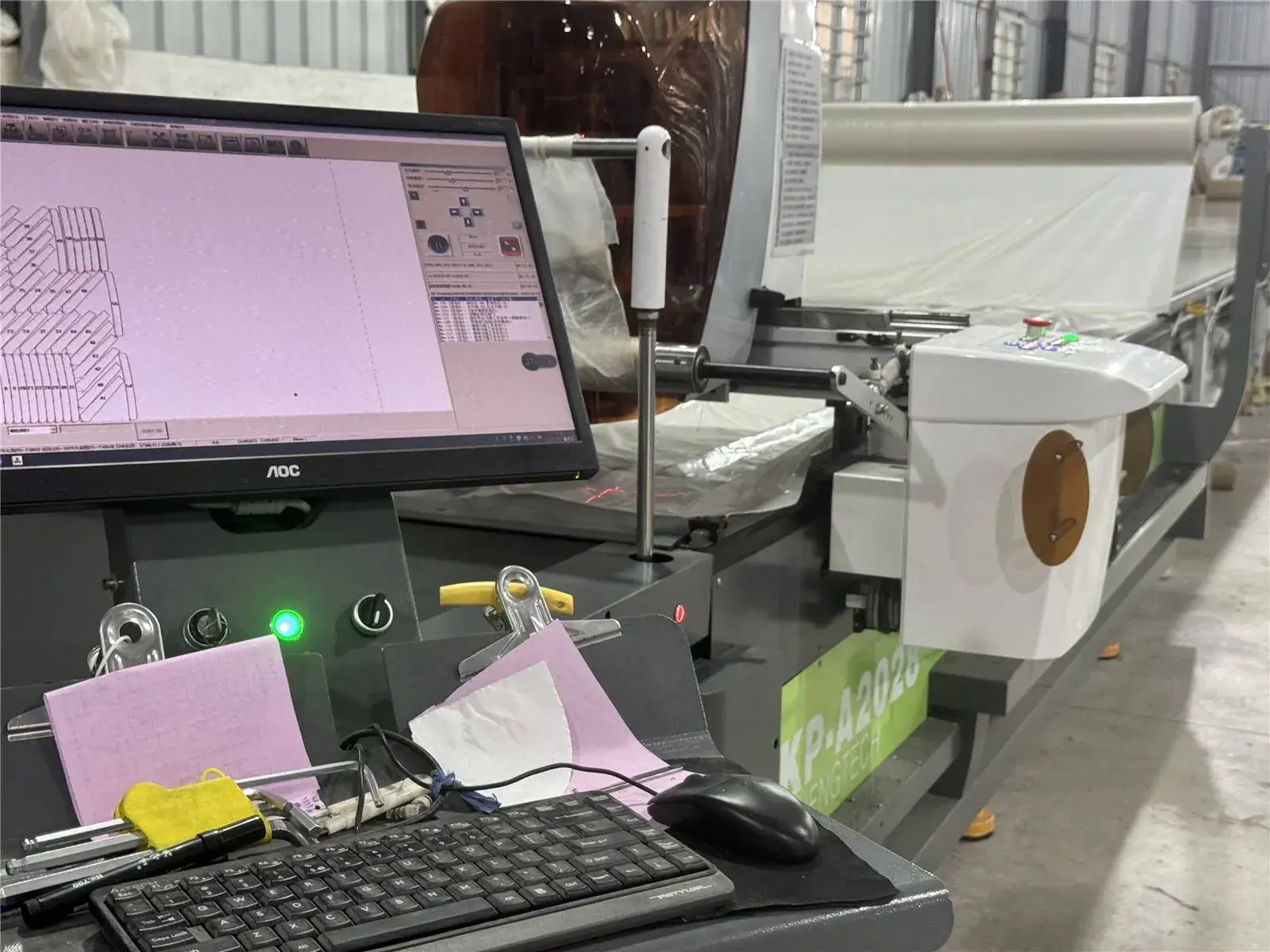
In the factory, the sampling team first confirms the yarn and knitting instructions, then knits the panels or garment components, links or sews them, applies finishing, and measures and inspects the completed sample against the tech pack. Common rework points include a neckline that grows during finishing, uneven rib tension, mismatched panels, a sleeve that twists, and measurements taken while the garment is stretched. At Meteor Law, I keep each sampling round tied to a dated comment sheet so the knitting and finishing teams can work from the same approved changes.
Maintain a revision log with the sample version, date, issue, requested correction, responsible party and approval status. Use annotated photos or marked measurement charts for visual and dimensional comments. When a revised sample arrives, recheck the changed points and any connected areas that could be affected; a sleeve adjustment, for example, may alter the armhole balance. Sign off the final PP sample and retain it as the reference for bulk production.
Set the Bulk Quantity and Commercial Basis
Confirm the minimum order quantity (MOQ) by style, color and size assortment, and establish whether the factory’s quantity applies to the total style or separately to each color. Agree the order breakdown before bulk yarn purchasing or production planning. Ask how any approved substitutions, yarn-lot changes or quantity adjustments will be handled, and make sure the final purchase order matches the approved specification.
Do not treat a sample approval as a substitute for agreeing the commercial scope. Confirm the order quantity, color allocation, size ratio, packaging components, delivery terms and shipment plan in the purchase documents. Buyers reviewing mens clothing wholesale suppliers can use these points to compare how clearly each supplier defines the commitments attached to a bulk order.
Define Bulk Inspection Checkpoints
Set inspection criteria before production begins. The signed PP sample, tech pack, measurement chart, approved color reference and packaging specification should form the inspection baseline. Agree the inspection method, sampling plan, defect classification and who has authority to release the goods. Apply the chosen standard consistently; do not introduce a new acceptance rule only after production is complete.
Useful checkpoints include:
- **Yarn and knitting:** verify the approved composition and color references, and check panels for holes, dropped stitches, yarn contamination and inconsistent structure.
- **Finishing:** review hand feel, appearance, dimensions and any agreed post-finish condition against the approved sample.
- **Garment assembly:** check linking or seams, rib attachment, symmetry, measurements, labels and workmanship.
- **Final inspection:** inspect packed or unpacked garments as agreed, record defects and measurements, and document corrective actions before shipment release.
Keep inspection records connected to the purchase order and production lot. If a defect requires rework, recheck the corrected garments and document the result before approving shipment. A general reference to “good quality” is not an executable acceptance criterion; the parties need agreed points, methods and responsibilities.
Approve Packing and Shipment
Approve packaging details before bulk packing: folding method, individual polybag or other protective packaging, size and color identification, carton assortment, carton markings and any buyer-specific inserts. Check that labels and packing information correspond to the purchase order and that the packaging protects knitwear from moisture, snagging and avoidable compression in transit. Confirm carton quantities and assortment against the packing list.
Shipment approval should follow completion of the agreed final inspection and review of the inspection report, packing list and shipping documents. Confirm that any failed checks have been resolved and that the released quantity, carton count and order details match. Keep the approved PP sample, signed specifications and shipment records available for comparison if a claim arises.
For product development managed with custom clothing manufacturers, make the approval sequence explicit: specification and yarn confirmation, sample review, size-set approval, bulk production, final inspection, packing approval and shipment release. Clear sign-offs at each stage help both buyer and factory identify who owns the next action and reduce avoidable revisions late in the order.
Sources
- UN Comtrade public trade statistics — men's shirts (HS 6205), China exports, 2025
- UN Comtrade public trade statistics — knitted t-shirts (HS 6109), China exports, 2025
- UN Comtrade public trade statistics — men's trousers (HS 6203), China exports, 2025
- UN Comtrade public trade statistics — men's overcoats (HS 6201), China exports, 2025
- UN Comtrade public trade statistics — knitted pullovers (HS 6110), China exports, 2025
- UN Comtrade public trade statistics — men's shirts (HS 6205), China exports, 2024
- UN Comtrade public trade statistics — knitted t-shirts (HS 6109), China exports, 2024
- UN Comtrade public trade statistics — men's trousers (HS 6203), China exports, 2024
- UN Comtrade public trade statistics — men's overcoats (HS 6201), China exports, 2024
- UN Comtrade public trade statistics — knitted pullovers (HS 6110), China exports, 2024
Frequently asked questions
What should a men’s knitwear pre-production sample confirm?
A men’s knitwear pre-production sample should confirm the approved yarn, fabric appearance, construction, measurements, finishing and labeling. Check it against the latest tech pack, bill of materials, measurement chart, artwork and buyer comments. Record the sample version and approval date so both parties use the same reference for bulk production.
How should gsm be checked on a knitwear sample?
Agree how gsm will be measured and recorded before approving the sample. Specify whether the target applies before or after finishing, identify the sampling area and use the same method for later checks. Record the approved result and any agreed tolerance in the product specification; a gsm figure alone does not confirm the sample is correct.
Is one sample size enough to approve knitwear grading?
No. One sample size cannot confirm grading, so request a size set covering the range required for the order. Compare each size with the approved measurement chart, measuring garments laid flat and relaxed without stretching them. Record deviations for the base size and graded sizes, and request a revised sample or size set when needed.
How do I confirm the MOQ for a men’s knitwear order?
Confirm the MOQ by style, color and size assortment before bulk yarn purchasing or production planning. Establish whether the factory’s quantity applies to the total style or separately to each color, and agree the order breakdown. Make sure the final purchase order matches the approved specification and records the agreed quantity and color allocation.